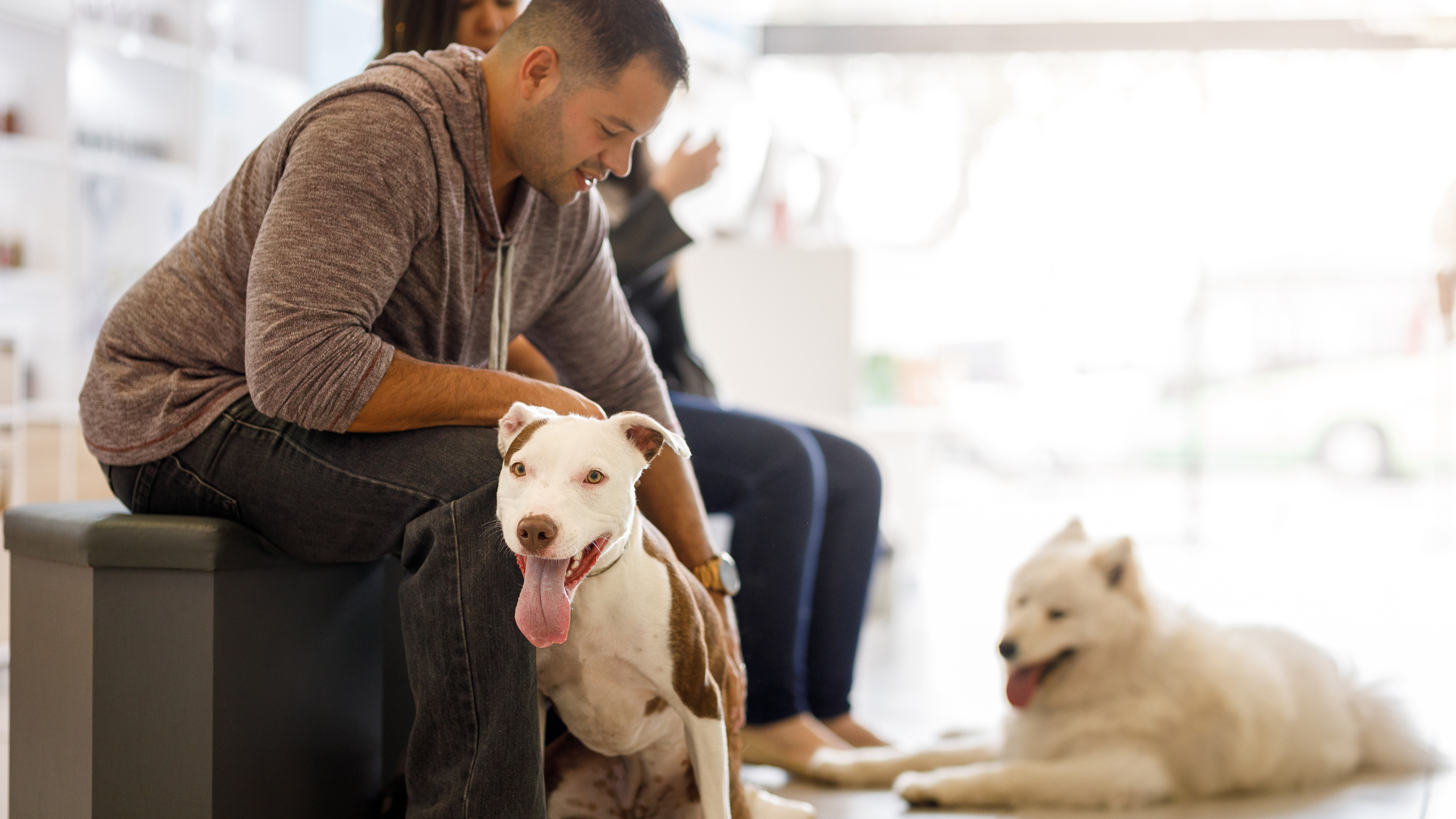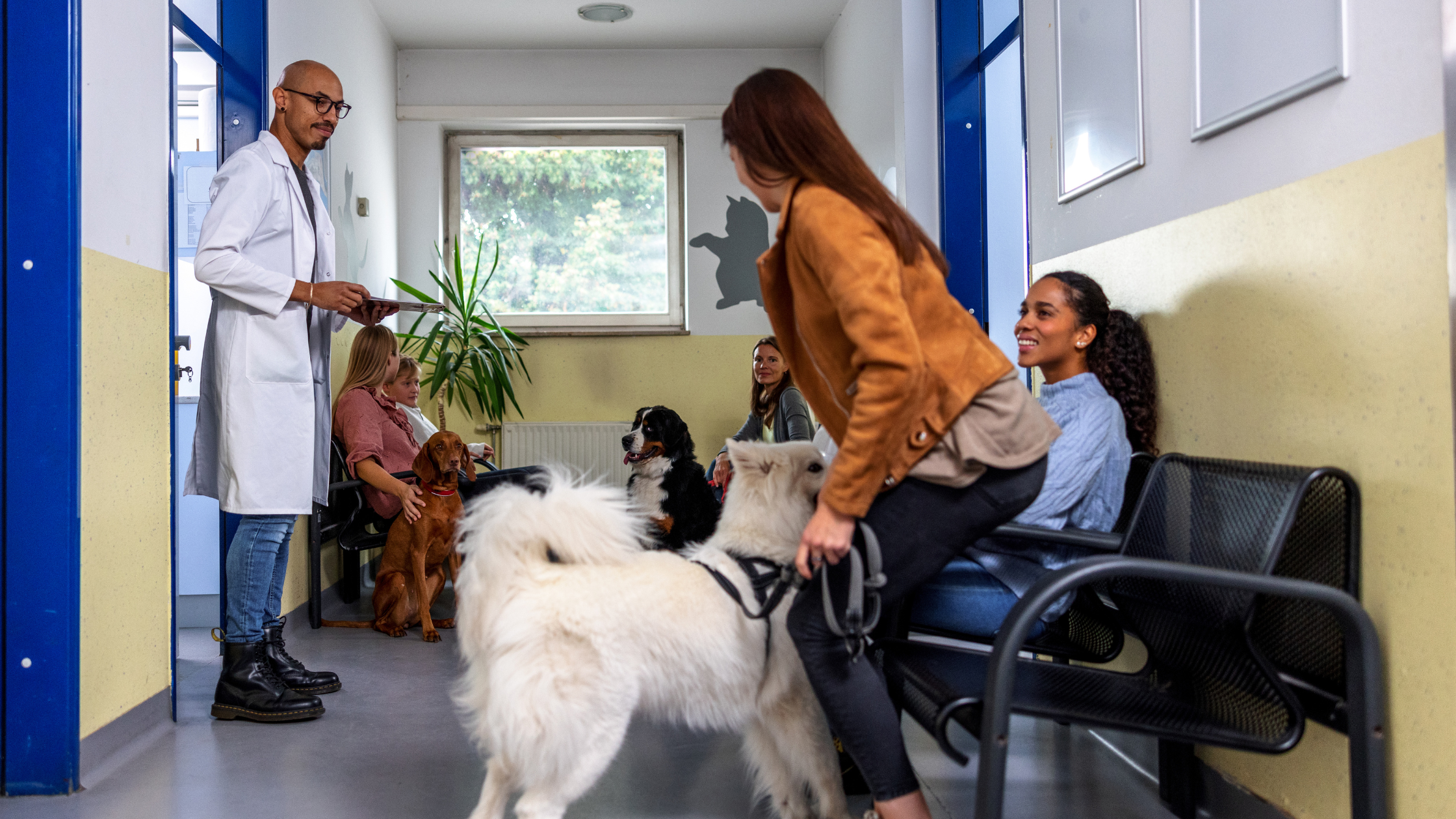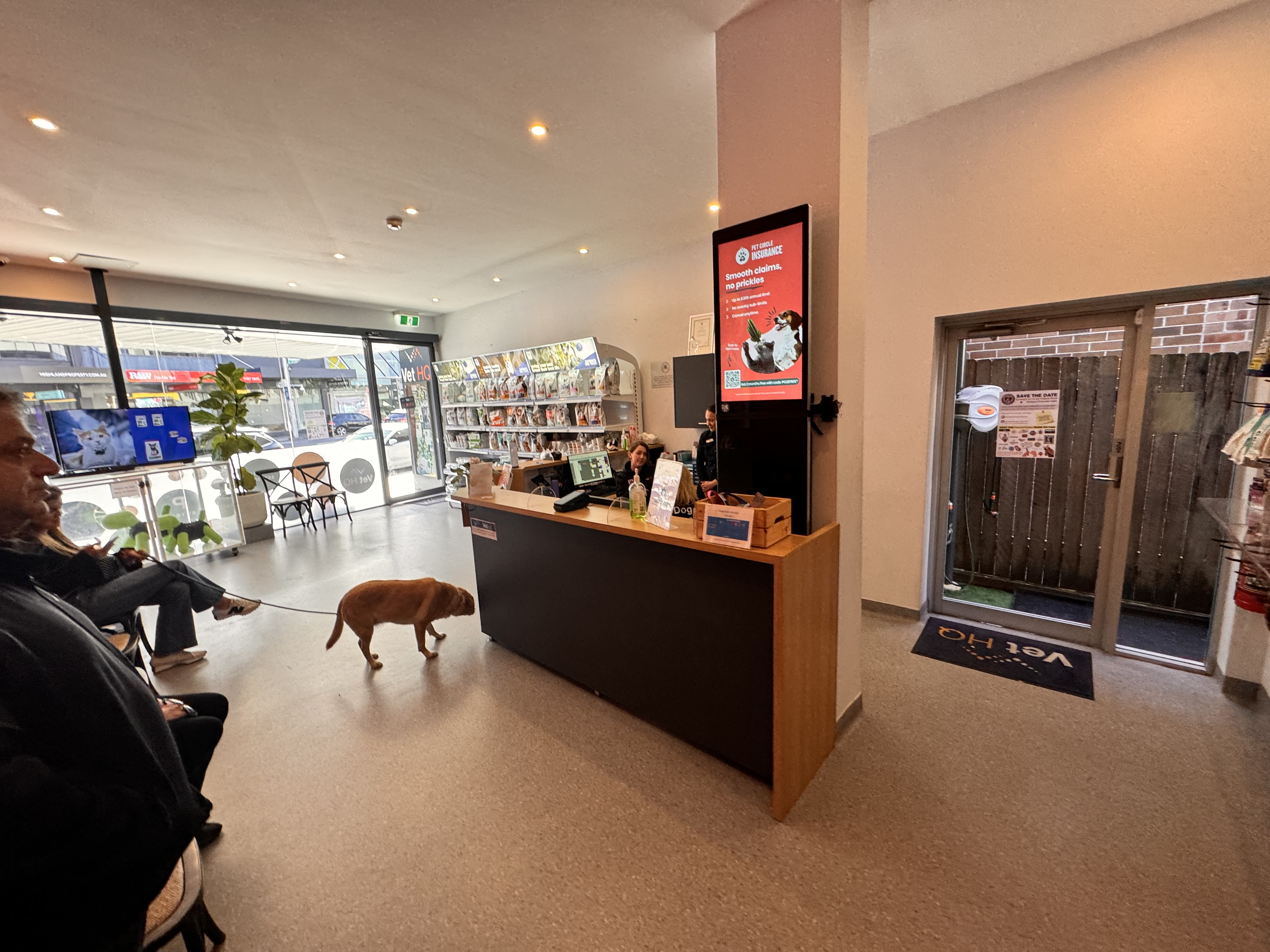
There is a number that every enterprise media buyer in the pet category should have memorised: 22. That is the average number of minutes an Australian pet owner spends in a veterinary waiting room. And if you understand the implications of that number — for creative strategy, for consumer education, for brand conversion — it will change how you allocate your media budget. High dwell time advertising is not simply a format; it is a structural advantage. Here is how to use it.
Understanding Dwell Time as a Media Metric
In advertising, dwell time refers to the length of time a consumer is present in the vicinity of an ad placement, with the genuine opportunity to view and engage with it. High dwell time advertising specifically targets environments where this duration is measured in minutes rather than seconds. The importance of this distinction cannot be overstated. A three-second pre-roll ad can communicate a brand name and a logo. A 22-minute dwell environment can communicate product ingredients, clinical research, comparative advantages, brand history, and an emotional narrative that creates genuine desire. The type of consumer information that drives premium purchase decisions — the kind that justifies a higher price point, builds loyalty, or changes a long-standing buying habit — requires time. High dwell time advertising is the only format that consistently provides it.
What 22 Minutes Makes Possible
Consider what enterprise brands can achieve with 22 minutes of undivided consumer attention in a high-trust environment: For pet nutrition brands, 22 minutes is enough to run a detailed educational sequence explaining the science behind a novel protein ingredient, the clinical evidence for a joint support formula, or the comparative nutritional profile of a premium food versus a mid-market alternative. For pet insurance providers, it is enough to walk a consumer through policy benefits, explain what is covered, and address the most common objections to purchase — all before the conversation even reaches the vet. For pharmaceutical and wellness brands, it is the context in which professional-grade claims feel entirely appropriate and carry genuine credibility, because the environment itself is professional and health-focused. None of this is achievable in a three-second social media ad. All of it is achievable through high dwell time advertising in a veterinary clinic network.
The Conversion Logic of Dwell Time
High dwell time does not just build awareness — it drives conversion. Research from the broader attention advertising sector consistently shows that message recall, brand favourability, and stated purchase intent all increase with dwell time, with the most significant gains occurring between the five-minute and 20-minute mark. For enterprise pet brands, this means that a single high-quality placement in a veterinary clinic — seen for 22 minutes by an engaged, focused pet owner — can outperform dozens of digital placements in terms of downstream purchase behaviour.
Integrating High Dwell Time Into Enterprise Campaigns
High dwell time media performs best when positioned within a broader media framework:
- Use broad DOOH and digital channels to establish brand awareness and familiarity.
- Use high dwell time environments for education and deep consideration — this is where purchase intent is built.
- Use point-of-sale media and digital retargeting to convert the consideration into purchase.
- Measure brand lift and sales uplift separately for high-dwell placements to demonstrate their distinct contribution.
Ready to put 22 minutes to work for your brand? Fur Media provides enterprise brands with Australia's most premium high dwell time pet advertising network, anchored in veterinary clinic waiting rooms across the country. Contact us to plan your campaign.
Let's build something.
AI-native software platforms for businesses still running on spreadsheets and stitched-together SaaS.
Book a Discovery Call