Every media buyer knows the frustration: a campaign delivers millions of impressions, but the client's sales needle barely moves. The problem is not reach — it is attention. And in the pet category, the solution to the attention problem has a name: captive audience pet advertising. This is the strategy of placing brand messages in environments where consumers cannot leave and have every reason to pay attention. For agencies managing pet brand portfolios, it is one of the most powerful tools available to deliver genuine brand impact.
What Makes an Audience Captive?
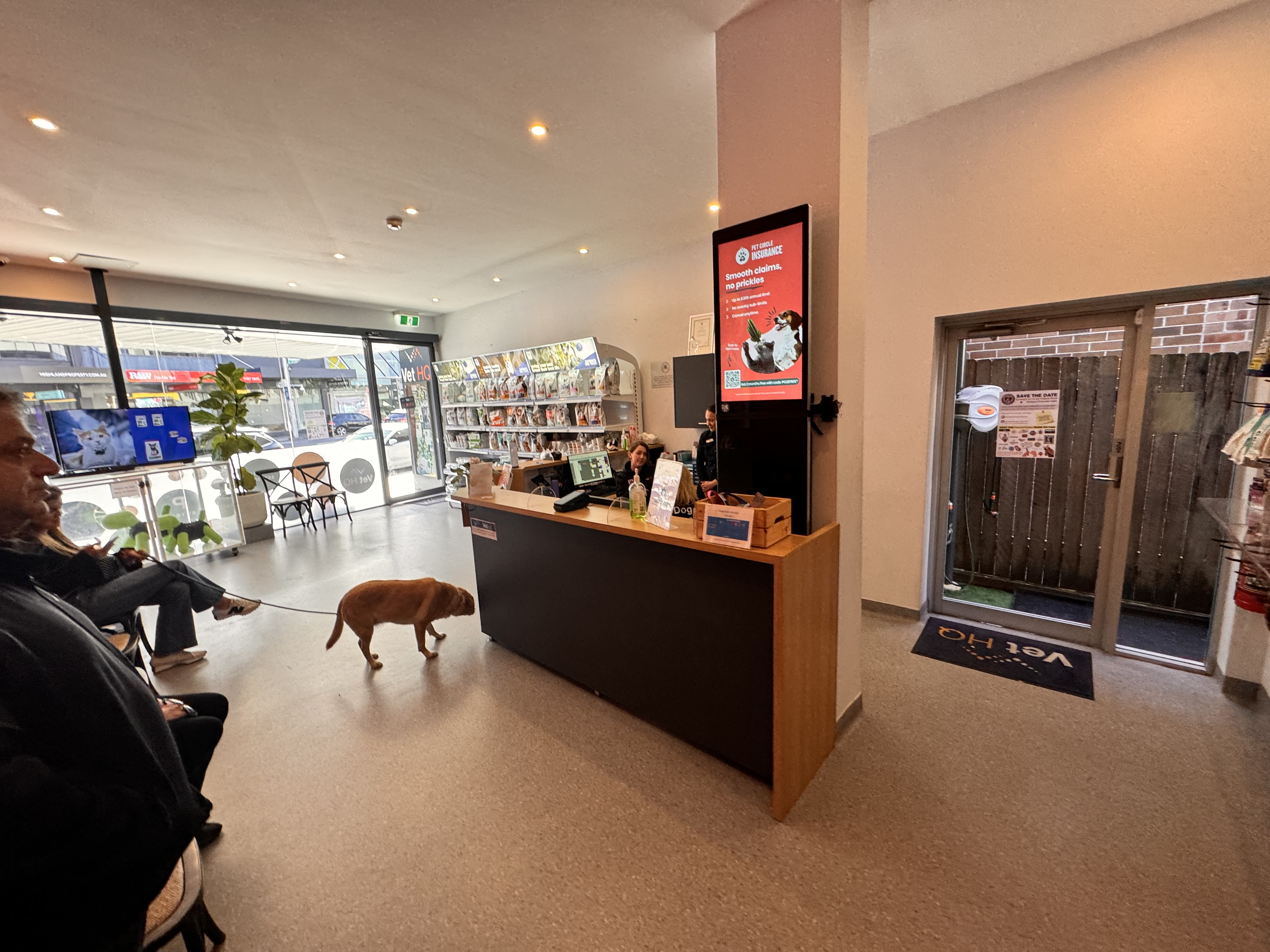
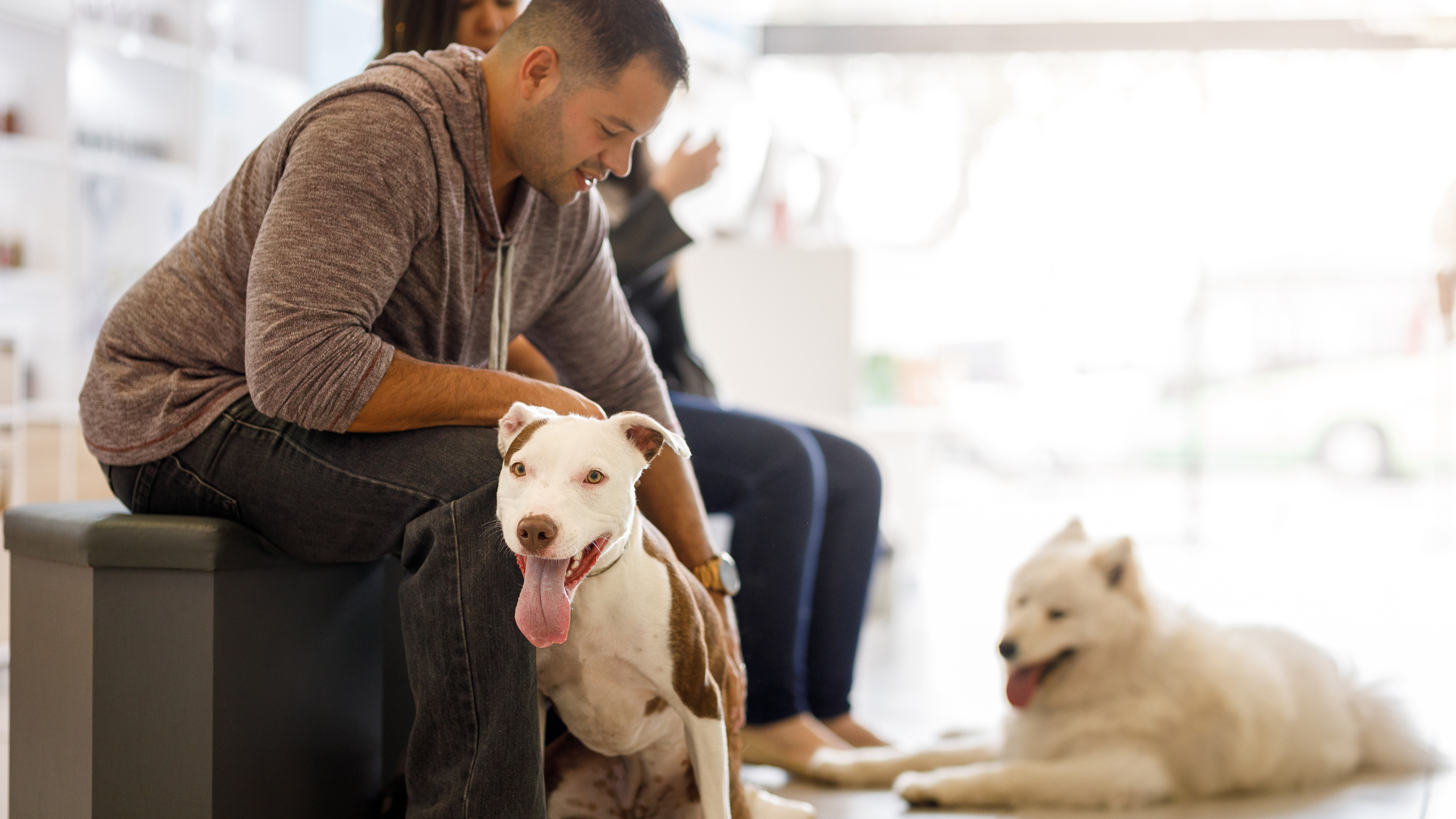
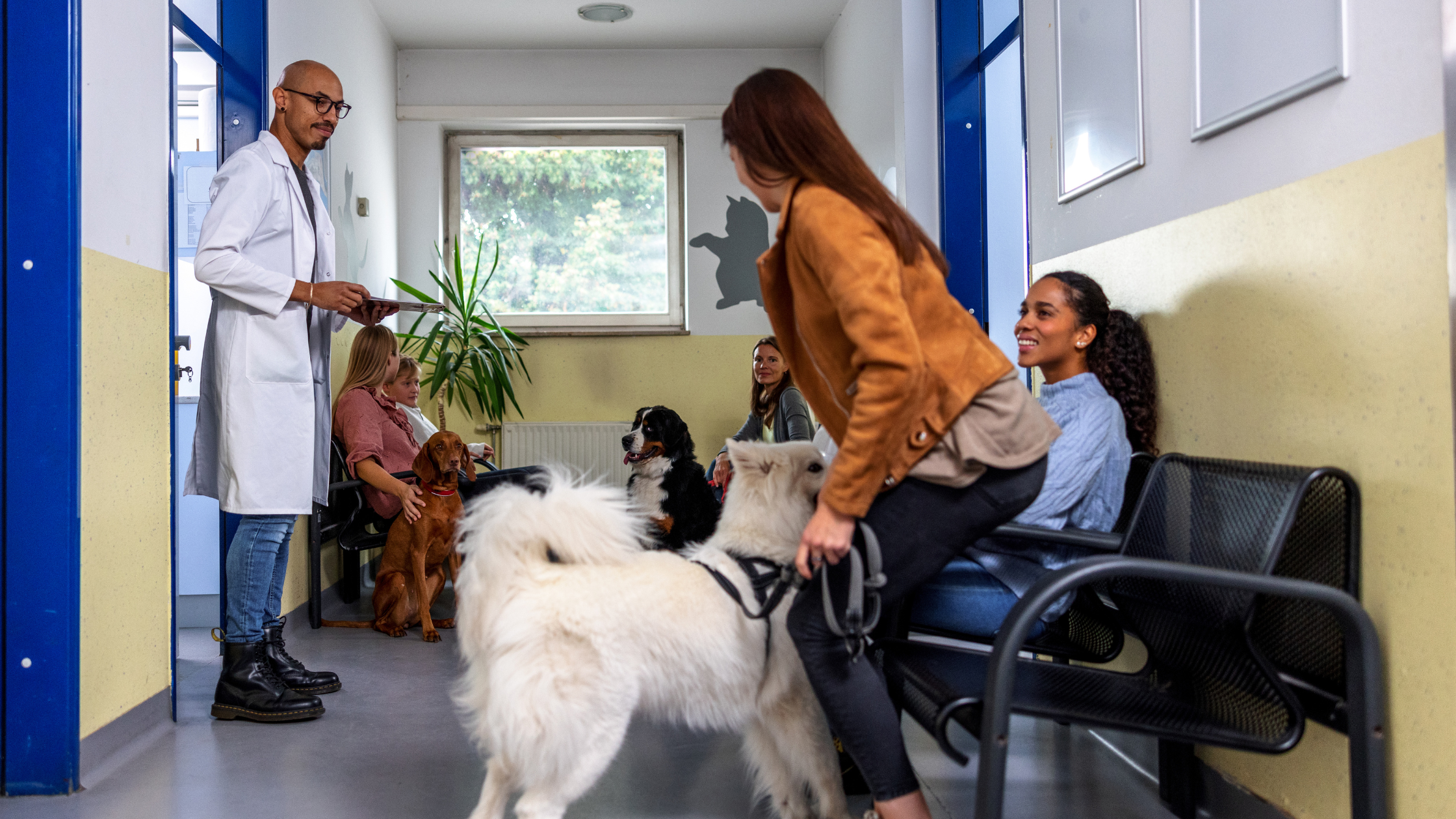
A captive audience is not simply a large audience — it is one that is stationary, settled, and seeking stimulation. In the pet category, two environments define this: Veterinary waiting rooms are the gold standard. Australian pet owners spend an average of 22 minutes waiting for their appointment. They are not multitasking or doom-scrolling; they are sitting with their pet, their focus entirely on the animal's wellbeing. A brand message placed in this environment receives the kind of undivided attention that is almost impossible to buy in digital media at any price. Pet retail environments — specifically checkout queues, grooming salon waiting areas, and high-dwell product aisles — offer similar dynamics. Consumers are stationary, in a purchasing mindset, and actively receptive to product information that might influence their decision.
The Agency Case for Captive Advertising
For agencies, the value proposition of captive audience pet advertising is straightforward to articulate to clients: you are not buying exposure, you are buying attention. This distinction matters enormously in an era when the average digital ad receives less than two seconds of human engagement. When you book a DOOH screen in a veterinary clinic network, you are guaranteeing a minimum exposure duration that is measured in minutes, not milliseconds. The creative can be longer, more educational, and more sophisticated — because the audience has the time and the mindset to receive it. This opens up creative strategies that digital simply cannot support: detailed product education, ingredient storytelling, comparative claims, and emotional brand narratives that actually land.
Creative Strategy for Captive Environments
The creative approach for captive audience pet advertising needs to reflect the environment: In veterinary settings, lead with trust and authority. Educational content about pet nutrition, preventative care, or product efficacy feels natural and welcome. Avoid aggressive promotional messaging — it clashes with the clinical, caring tone of the environment and can damage brand perception. In retail settings, you can be more promotional and direct. Highlight offers, new products, and competitive comparisons. The consumer is already in purchase mode; your job is to tilt the decision in your client's favour. Across both, prioritise visual quality and message clarity. The audience is watching, not scrolling — so production values matter more than in digital formats.
Measuring the Impact for Clients
Proving the value of captive advertising to clients requires the right metrics. Move beyond impressions and CPMs:
- Report average dwell time per placement to demonstrate true attention delivered.
- Use brand lift studies to quantify shifts in recall, favourability, and purchase intent.
- Leverage foot traffic attribution to connect screen exposure to retail visits.
- Compare attention-adjusted CPMs against digital benchmarks to show cost efficiency.
Ready to deliver captive audience results for your pet brand clients? Fur Media provides agencies with exclusive access to Australia's premier vet clinic and pet retail DOOH network. Contact our agency team to book inventory.
Plan a campaign with us.
Pet brand or category brand — if you want premium, brand-safe DOOH inventory, let's talk.
Book a Campaign Call